Weather in Turkey: Monthly Climate by City for Living
· Updated:
Weather in Turkey from official meteorological data: month-by-month temperatures and rainfall in Istanbul, Antalya, Izmir and Ankara, and which climate suits you.

The weather in Turkey spans, within one country, from an average January low of -13.9°C in Erzurum to an average July high of 34.2°C in Antalya. The southern and western coasts have a Mediterranean climate, with hot, almost rainless summers and mild, wet winters. Istanbul and the Marmara region have four mild, humid seasons, the Black Sea coast sees rain in every season, and the central plateau and the east have cold, snowy winters. Every figure in this guide comes from the long-term records of the Turkish State Meteorological Service (Meteoroloji Genel Müdürlüğü, MGM), so that if you are choosing a city to live, study or buy property in, your decision rests on data.
Turkey's Climate Regions at a Glance
Turkey's mountains run parallel to its coasts. As a result, the sea's influence reaches only the coastal strip, and a few dozen kilometres inland the climate becomes fully continental. In practice you are dealing with six main climates:
- Marmara (Istanbul, Bursa, Tekirdağ): four distinct seasons, warm and humid summers, cool, cloudy and rainy winters, and occasional snow.
- Aegean (Izmir, Bodrum): Mediterranean climate; hot, dry summers and mild, rainy winters.
- Mediterranean (Antalya, Alanya, Mersin): the warmest coasts in the country; long, almost rainless summers, with most of the year's rain falling in winter.
- Black Sea (Trabzon, Rize, Samsun): green and wet; no real dry season, and summers cooler than on the other coasts.
- Central Anatolia (Ankara, Konya, Cappadocia): dry and continental; winters below zero and warm summers with cool nights.
- East and Southeast (Erzurum, Van, Diyarbakır): the mountainous east has the coldest winters and the southeast the hottest summers.
Comparing the Weather in Turkey's Main Cities
The table below places MGM's long-term averages for seven cities side by side. Low and high mean the average coldest hour of the night and warmest hour of the day in that month.
| City | January (low to high, °C) | High in warmest month (°C) | Annual rainfall (mm, approx.) | Rainy days per year (approx.) |
|---|---|---|---|---|
| Istanbul | 4.2 to 9.6 | 29.7 (July and August) | 660 | 115 |
| Bursa | 1.8 to 9.6 | 31.1 (August) | 706 | 111 |
| Izmir | 5.8 to 12.5 | 33.3 (July) | 707 | 77 |
| Antalya | 6.1 to 15.0 | 34.2 (July) | 1032 | 73 |
| Ankara | -3.1 to 4.4 | 30.6 (August) | 392 | 103 |
| Trabzon | 4.8 to 10.9 | 26.7 (August) | 830 | 133 |
| Erzurum | -13.9 to -3.9 | 27.4 (August) | 431 | 121 |
Annual rainfall and rainy days are the sum of MGM's monthly averages, rounded. Each city's record period differs: Istanbul 1950 to 2025, Antalya 1930 to 2025, Izmir 1938 to 2025, Erzurum 1929 to 2025, and Ankara, Bursa and Trabzon 1927 to 2025.
One point in this table surprises most readers: Antalya gets more rain per year than Istanbul, but on fewer days. Antalya's rain falls in a few winter months as heavy downpours, and the rest of the year is sunny. Istanbul gets less rain, but it is spread over more days; that is why an Istanbul winter feels grey and damp rather than cold.
Istanbul Weather Month by Month
Most of our readers look at Istanbul for living or buying property, so here is the full table for the city:
| Month | Average low (°C) | Average high (°C) | Rainfall (mm) | Rainy days |
|---|---|---|---|---|
| January | 4.2 | 9.6 | 88.8 | 16 |
| February | 4.2 | 10.2 | 70.7 | 14 |
| March | 5.5 | 12.4 | 62.3 | 13 |
| April | 9.2 | 17.4 | 47.8 | 10 |
| May | 13.6 | 22.3 | 32.9 | 8 |
| June | 18.0 | 27.1 | 27.6 | 5 |
| July | 20.5 | 29.7 | 22.1 | 3 |
| August | 20.8 | 29.7 | 23.9 | 4 |
| September | 17.6 | 25.9 | 39.7 | 6 |
| October | 13.7 | 20.6 | 66.3 | 9 |
| November | 9.9 | 16.1 | 78.1 | 11 |
| December | 6.5 | 11.8 | 99.2 | 16 |
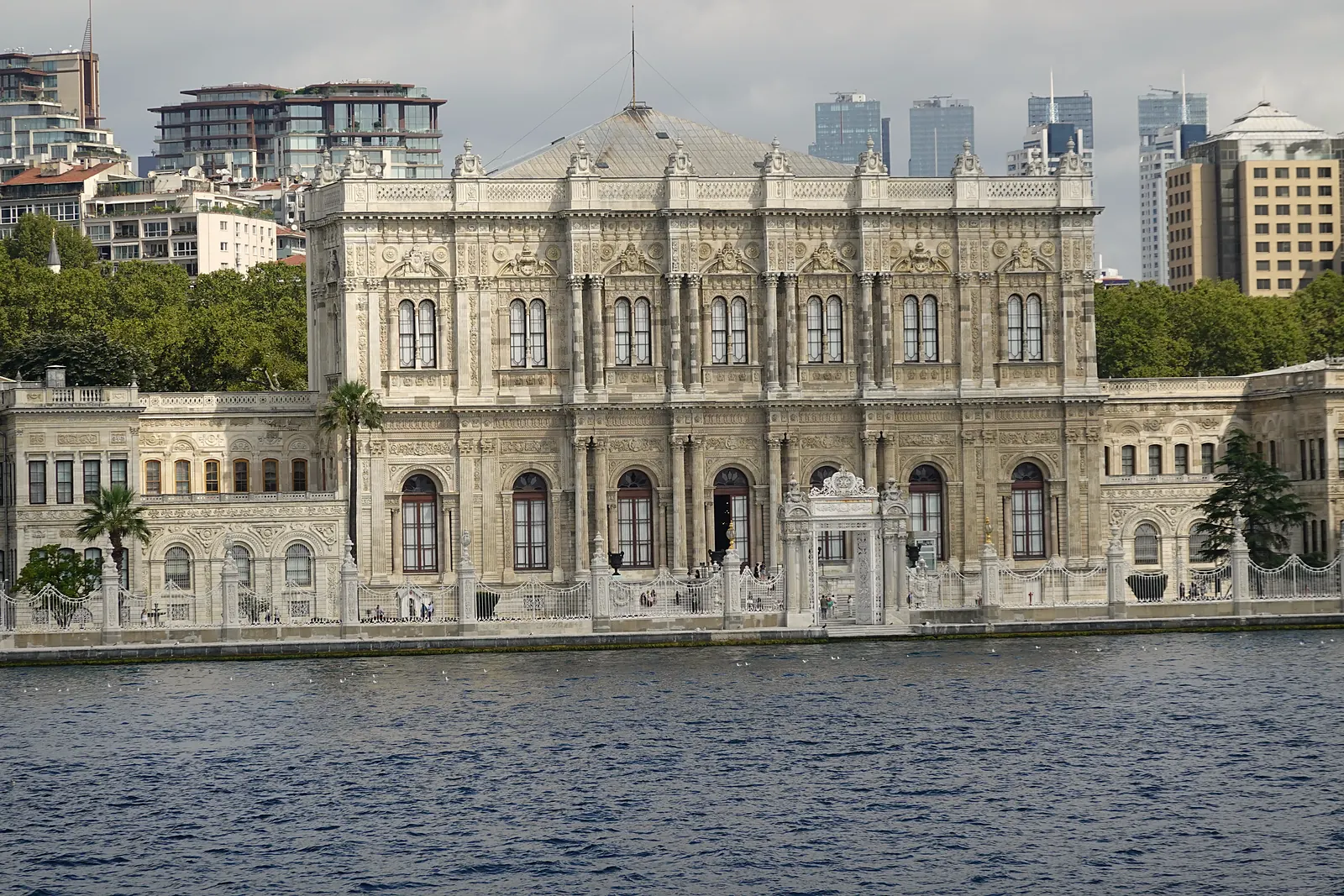
Winter in Istanbul
December, with about 99 mm, is Istanbul's wettest month, and January and December each have about 16 rainy days. Temperatures rarely stay below zero for long, but humidity and the cold northerly wind the Turks call Poyraz make it feel colder than the thermometer says. Snow does fall in Istanbul, but with an average January low of about 4°C, it rarely lasts long.
Summer in Istanbul
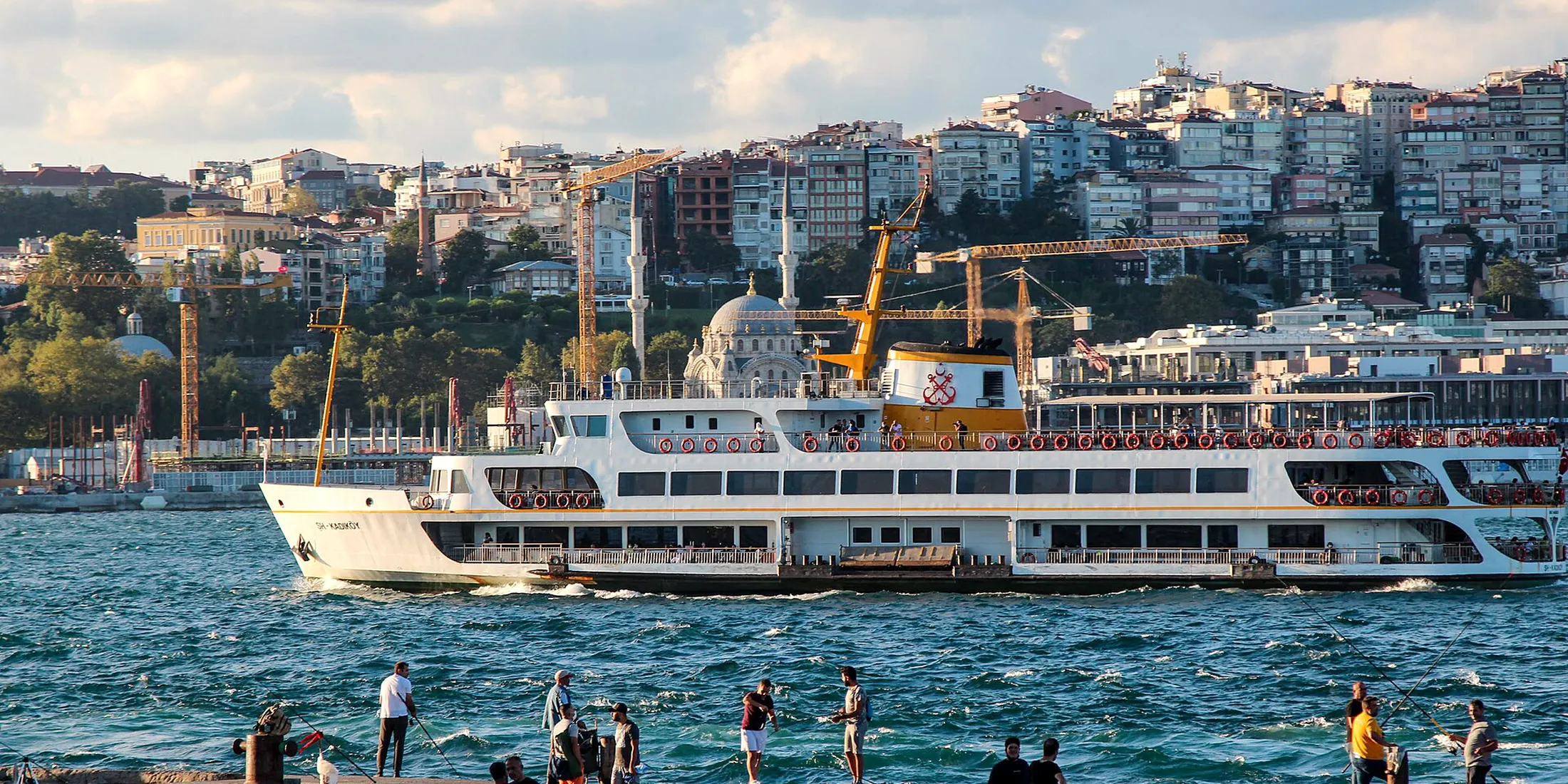
July and August, with an average high of 29.7°C, are the warmest months and have only three to four rainy days. Istanbul's heat is milder than Antalya's and Izmir's, but the sea's humidity makes it feel muggy. When viewing a property, ask whether air conditioning is installed, as not every home has it.
Weather in Antalya and Izmir: the Mediterranean and Aegean Coasts
If sun and sea are your priority, these two cities are the main destinations. The table below compares a representative month from each season:
| Month | Antalya (low to high, °C) | Antalya rainfall (mm) | Izmir (low to high, °C) | Izmir rainfall (mm) |
|---|---|---|---|---|
| January | 6.1 to 15.0 | 225.5 | 5.8 to 12.5 | 134.5 |
| April | 11.3 to 21.4 | 48.5 | 11.2 to 21.0 | 45.9 |
| July | 22.9 to 34.2 | 4.7 | 22.6 to 33.3 | 4.2 |
| October | 15.4 to 26.6 | 70.6 | 14.7 to 24.1 | 44.0 |
| December | 7.7 to 16.7 | 250.9 | 7.6 to 14.2 | 145.8 |
In Antalya the average number of rainy days in July and August is under one, and the average high stays above 30°C from June to September. In return, December and January each bring more than 200 mm of rain. Izmir follows a similar pattern, with a slightly milder summer and a less rainy winter. In both cities, air conditioning and shade in summer are a necessity, not an option.
Ankara, the Black Sea and Eastern Turkey
Ankara and the Central Plateau
With about 392 mm a year, Ankara is the driest city on this list. Its average January low is -3.1°C, and even in August, with a high of 30.6°C, nights cool to about 16°C. For someone coming from Tehran or Tabriz, this dry, continental pattern is the most familiar climate in Turkey.
Trabzon and the Black Sea Coast
Trabzon has no month with fewer than about seven rainy days. October, with 113 mm, is its wettest month. Its summer, with a high of 26.7°C in August, is the coolest of Turkey's coasts. The eastern part of this coast, including Rize, has the highest rainfall in the country.
Erzurum and the East
Erzurum's average January high is -3.9°C, which means ordinary winter days stay below zero too. The city's lowest recorded temperature in MGM's data is -37.2°C, in a December. This cold is what has made eastern Turkey a destination for skiing in Turkey.
Turkey's Heat Record
Turkey's highest recorded temperature is 50.5°C, measured on 25 July 2025 in Silopi, Şırnak province. The previous record was 49.5°C, on 15 August 2023 in Sarıcakaya, Eskişehir province.
Which Climate Suits Your Life Best?
No city is the best in every respect. The choice depends on your lifestyle, work and reason for moving:
| City | Climate advantage | Climate drawback | Best for |
|---|---|---|---|
| Istanbul | Four mild seasons, little extreme heat | Cloudy, rainy winters, humidity | Work, study, the widest choice of property |
| Antalya | Mild winters, long beach summers | Very hot summers, heavy winter downpours | Retirement, second and holiday homes |
| Izmir | Plenty of sun, mild winters | Hot, dry summers | Calm coastal life in a big city |
| Ankara | Dry air, low humidity | Winters below zero | Government and university work |
| Trabzon | Cool summers, green nature | Rain in every season | People escaping the heat |
If you are torn between the two main options, the article Istanbul or Antalya for buying property? also looks at the investment side. To compare other cities by returns, read the best areas in Turkey for property investment. Remember that climate is not the only criterion: in Istanbul, for example, residence permit rules are not the same in every neighbourhood. See the current list in open and closed areas of Istanbul for residence permits.
Weather When Buying a Home in Turkey: a Viewing Checklist
Climate directly affects comfort and a home's running costs. When viewing a flat, especially in rainy cities, check these points:
- Damp and mould: in Istanbul, Bursa and Trabzon, check north-facing walls, ceiling corners, basements and ground floors for damp stains. The best time to view is a few days after a rainy spell.
- Thermal insulation (ısı yalıtımı): an insulated facade and double glazing both lower the winter gas bill and prevent condensation on the walls.
- Heating type: an individual gas boiler (kombi) or a central boiler room? In Ankara and the east, heating is the biggest winter cost.
- Air conditioning and shade: in Antalya and Izmir, take air conditioning in every room, a shaded balcony and the building's orientation seriously.
- Light and orientation: in Istanbul's cloudy winters, a south-facing flat with large windows changes how a home feels entirely.
- Wind: on high, sea-facing floors, the south-westerly Lodos and the northerly Poyraz affect balcony use and window noise.

For a fuller list of technical points, see the apartment viewing checklist before buying in Istanbul. We explain running costs such as gas, electricity and building fees in annual running costs of an Istanbul apartment. For the costs of the purchase itself, meaning title-deed (tapu) tax and fees, use the Turkey property buying cost calculator.
New-build complexes with outdoor pools, such as Aria Marin in Büyükçekmece, get most use from the pool in the warm months in the Marmara climate. If year-round use of facilities matters to you, ask about an indoor pool and gym too.

The Best Time to Travel and View Property
In terms of the weather in Turkey, spring (April and May) and early autumn (September and October) are the mildest seasons for getting around a city and viewing several properties in one day. In Istanbul, May has about eight rainy days and September about six. Even so, if you are seriously considering buying, seeing a home on a rainy winter day gives a truer picture of its damp and light. For trip planning, also read the best time to visit Istanbul.
Frequently Asked Questions
Does it snow in Istanbul?
Yes, snow falls in winter. But the average January low is about 4°C, so snow usually does not stay on the ground for long. What makes Istanbul's winter hard is rain and cloud, not severe cold.
What is Istanbul's wettest month?
December, with about 99 mm of rainfall. January and December each have about 16 rainy days, and July, with about three, is the driest month.
Where is the hottest place in Turkey?
Southeastern Turkey. The national record is 50.5°C in Silopi (25 July 2025). Among the popular coastal cities, Antalya is the hottest, with an average July high of 34.2°C.
Which Turkish city has a climate closest to Iran's?
Ankara and the central plateau, with dry air, cold winters and warm summers with cool nights, are the most similar to cities like Tehran and Tabriz. Istanbul is more humid and cloudy, and Antalya is hotter.
Does the weather affect property prices or rents?
This is not measured directly in official statistics. But in warm coastal cities, short-term rental demand is seasonal. In rainy cities, the quality of insulation and the absence of damp affect each unit's value. Before buying, review these points with ALO TURKEY's consultants.
Free Consultation with ALO TURKEY
If you are torn between Istanbul and the coastal cities, or want to know which neighbourhood fits your lifestyle and budget, ALO TURKEY's consultants can guide you in Persian. Send a message on WhatsApp or request a consultation from the contact page.
Sources: Turkish State Meteorological Service (MGM), long-term monthly provincial statistics up to 2025 (retrieved November 2026); temperature record of 25 July 2025 based on MGM data (NTV report, July 2025).